Study · our data
We tested astrology on 56,000 lives. One rule held.
I am a math person, so I did not want a nice story. I wanted a test. We took 56,537 birth charts with a birth time, their dated life events, and ran 130 tests written down before looking at any result. Most classic claims did not hold. One timing rule did, twice.
The experiment, step by step
- 1
56,537
Birth charts
with a birth time; 46,719 rated AA or A
- 2
130
Rules written first
from Brennan, Surtees, Demetra George, before any result
- 3
100
Discovery
best-documented award winners: 3 leads at x1.7
- 4
781
Confirmation
new people, never used: only one lead holds
- 5
x1.3
Result
awards in years whose lord sits in the 10th (p = 0.005)
Chance is computed person by person, over their own adult life.
The rule that held
Awards come more often in a year whose lord sits in the 10th house of the birth chart.
The year's lord comes from annual profections: at each birthday the year moves one house on, and the ruler of that sign leads the year. When that planet sits in your 10th house, the house of public life, the year leans to recognition.
First test, 100 well-documented award winners: 13% of their awards fell in those years, against 7.2% expected by chance. Then the real test, on 781 other people we had never used: 11.0% against 8.7% (p = 0.005). In plain words: about 30% more often than an ordinary year. It raises the odds, it does not guarantee anything.
Stronger when two techniques agree
When the firdaria, the Persian time lords, also point to the 10th house in that same year, the share rises again: 7.2% against 5.0% expected on the 781 new people (x1.4, p = 0.0014). Firdaria alone shows nothing. It is the agreement that counts, which is exactly how astrologers work.
Three real examples where profection, firdaria and zodiacal releasing all point to the 10th on the day: Venus Williams wins Wimbledon on 8 July 2000, Gaspard Ulliel receives the César for best actor on 24 February 2017, Sœur Emmanuelle is made Grand Officer of the Légion d'honneur on 31 January 2008.
What did not hold
Sun signs by profession: tiny effects only. Baseball players are more often Leo, but that comes from the US league cut-off date, not the sky.
The Mars effect of Gauquelin for athletes: 17.8% against 17.1% expected. Nothing.
Children in a 5th house year: it is only age. Everyone's year reaches the 5th house at 28, the most common age for a first child.
Saturn and Jupiter returns, solar arcs, zodiacal releasing alone: no more events than on dates shifted by a few years in the same life.
The scorecard
Held
Lord of the year in the 10th, awards
11.0% vs 8.7% on 781 new people
Held
Same, with the firdaria agreeing
7.2% vs 5.0% (x1.4)
Did not hold
Sun sign by profession
tiny effects; baseball Leos = US league cut-off
Did not hold
Gauquelin Mars effect, athletes
17.8% vs 17.1% expected
Did not hold
Children in a 5th house year
only age: everyone reaches the 5th at 28
Did not hold
Divorce with solar return Ascendant in the 7th
7.0% vs 7.9% on 285 new people
Did not hold
Zodiacal releasing alone
7.0% vs 8.2% on 781 new people
Did not hold
Returns and solar arcs alone
same as dates shifted by a few years
How we tested, honestly
Rules were written down before looking, with their source (Chris Brennan, Kelly Surtees, Demetra George). Chance is computed person by person, over the days of their own adult life, so rare events like a wedding or an award are fairly counted. A rule found on the first group only counts if it holds again on people never used. We also shuffled ages between people to rule out an age effect.
Limits: these are famous people with public biographies, so some events are missing. Only birth times rated AA or A were used. One rule out of many held, and the effect is modest. That is what real data looks like.
Find your own lord of the year
Your profection year, its lord, and where it sits in your birth chart, in three steps.
Read the profections guideKeep reading
Free class
Learn to read your birth chart yourself
Short visual lessons, 10 minutes a day, with a quiz at the end. Level 1 is free, no account needed.
This method, on your own 2027
Read about it here. Live it in your agenda.
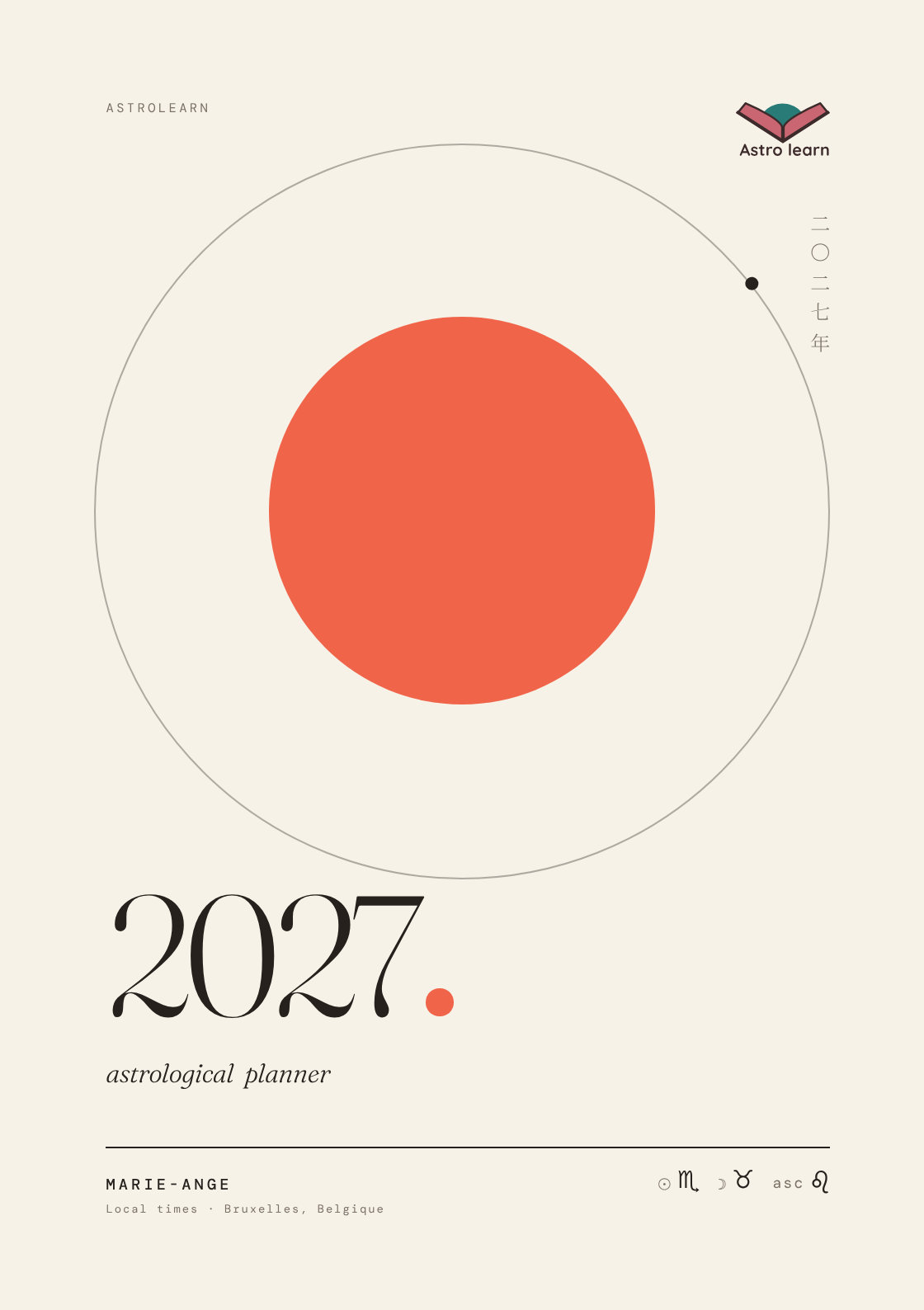
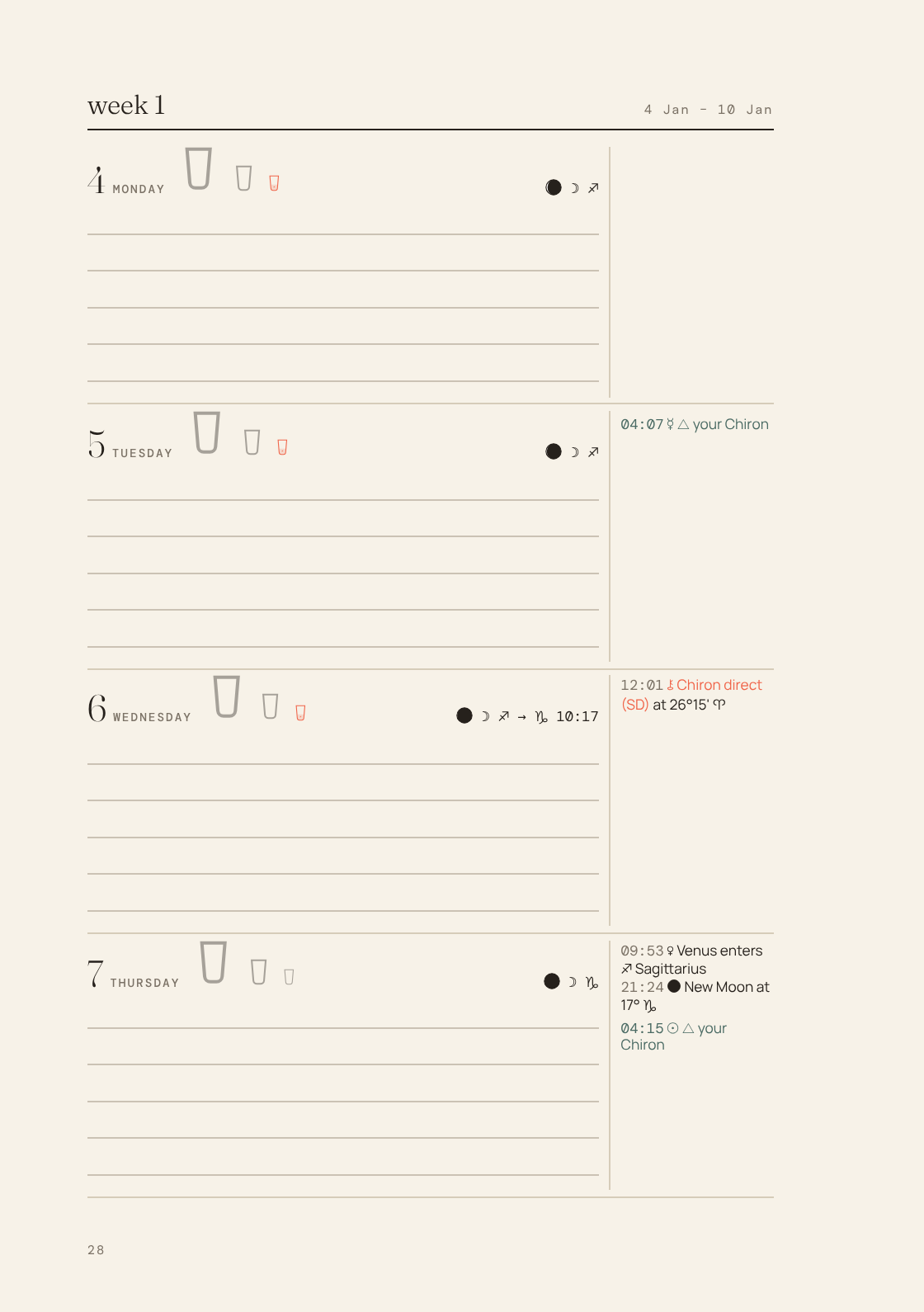
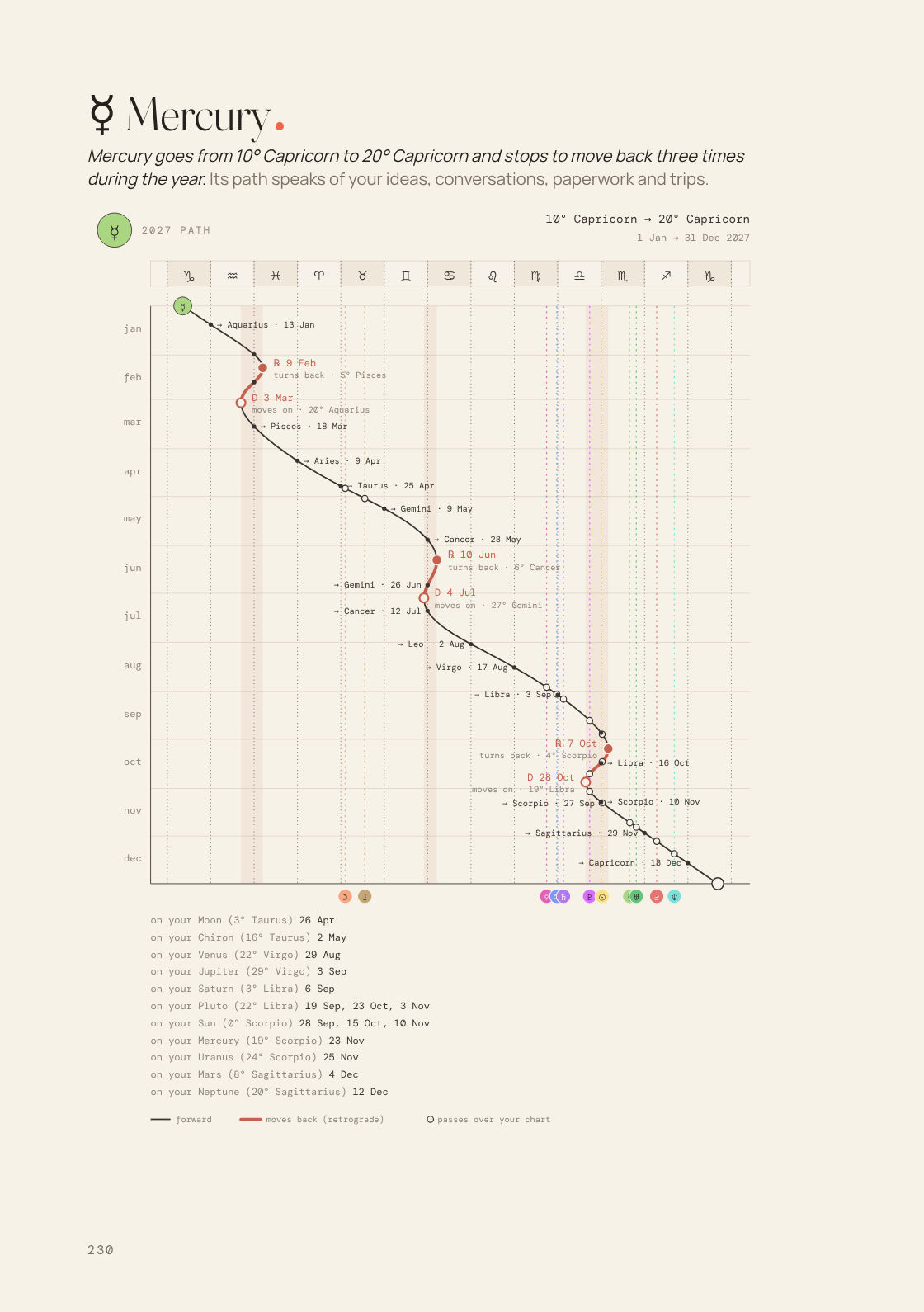
Your personalized 2027 agenda uses this kind of timing on your birth chart and writes the result day by day, in plain words. Your strong days, every Moon on the right day. A PDF to print, ready in one minute.
Questions
Does predictive astrology work?
Most single rules we tested did not beat chance. One did, twice: awards come about 30% more often in years whose lord sits in the 10th house, and a bit more when the firdaria agree. Timing techniques work best combined, read in one birth chart.
What is the lord of the year?
In annual profections, each year of life activates one house, in order from the Ascendant. The planet that rules that house's sign is the lord of the year.
How many birth charts were tested?
56,537 birth charts with a birth time, 46,719 of them rated AA or A (birth certificate or the person's own words). The award rule was tested on 881 award winners.
How can I find my own years?
Find your profection year and its lord, then look where that planet sits in your birth chart. The profections guide shows how, step by step.